In the normative and theoretical framework of human rights, no form of crime, oppression, or systematic violation of human rights can be justified by ignoring another crime or injustice. Any hierarchy among fundamental rights violations is morally, ethically, and legally indefensible and contradicts the universal and non-selective nature of human rights.
Accordingly, concerns about the potential focus shift from “gender apartheid” to “linguistic apartheid” should not lead to marginalization or denial of structural discrimination. The commission of one crime or structural injustice cannot provide a normative or epistemological justification for ignoring, delaying, or downplaying another. In contemporary human rights theory, any attempt to hierarchically rank or selectively prioritize different forms of human rights violations not only fails to address injustice but also perpetuates cycles of crime, oppression, and deprivation.
“Gender apartheid against women” and “linguistic apartheid against Persian-Dari speakers” by the Taliban are two distinct yet mutually reinforcing crimes. Each targets a specific dimension of social life, and together they create a structure that disempowers and silences not only women and Persian-Dari speakers but Afghan society as a whole.
The simultaneous occurrence of these two crimes multiplies the severity and complexity of harm in Afghanistan and elevates the Taliban’s pattern of repression from mere human rights violations to crimes against humanity, establishing a distinct legal and political benchmark for the international community.
We firmly believe that documenting and highlighting the intersection of gender and linguistic apartheid provides the global community with a clearer and more complete understanding of the Taliban’s systemic oppression. This clarification not only strengthens the fight against gender apartheid but also offers a deeper insight into the multi-layered crimes and discriminatory mechanisms of the Taliban. Accurate mapping of this connection accelerates legal mechanisms such as truth commissions, enhances national and international justice efforts, and mobilizes global support to halt these crimes and ensure a faster, decisive response from the international community.
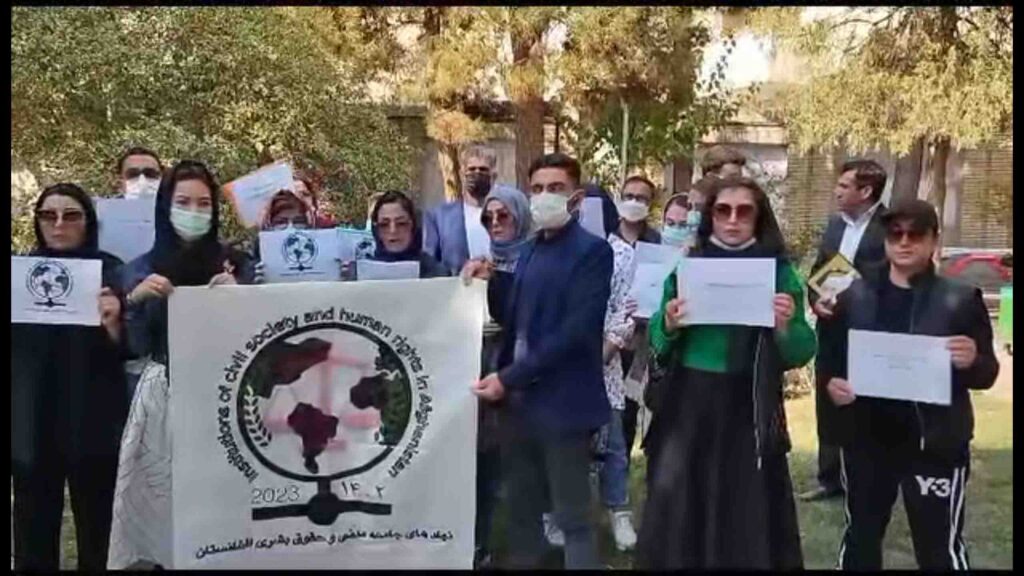
Therefore, we—human rights defenders, leaders of protest movements, women activists, civil society actors, and democratic forces in Afghanistan—launch a one-week campaign entitled:
“Joint Struggle Against Gender Apartheid Against Women and Linguistic Apartheid Against Persian-Dari in Afghanistan”
Through this campaign, we aim to raise awareness of the severe harms caused by these anti-human crimes, document the depth of the crisis in Afghanistan, and call upon the international community, the United Nations, and human rights institutions to take immediate, responsible, and effective measures to stop Taliban crimes and hold perpetrators accountable.
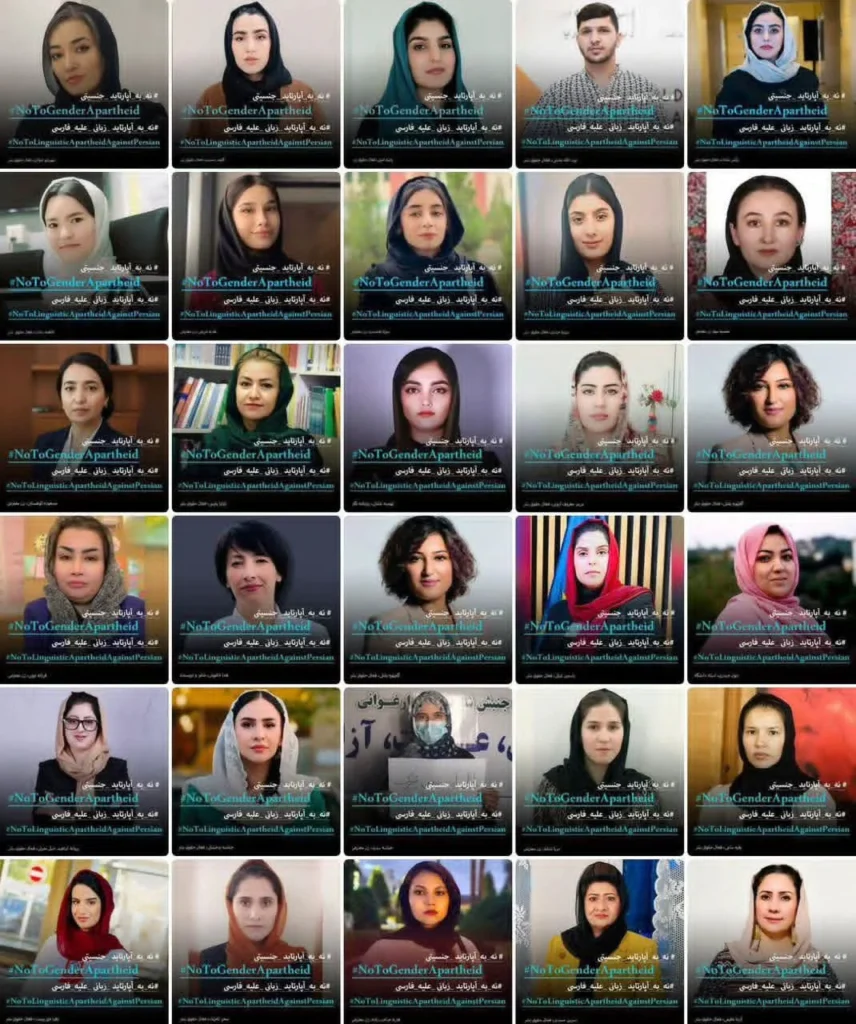
Hashtags:
NoToGenderApartheid
NoToLinguisticApartheidAgainstPersian
نسخه فارسی – کارزار مشترک مبارزه با آپارتاید جنسیتی و آپارتاید زبانی در افغانستان
تاریخ: ۱۴ جدی ۱۴۰۴
در منظومهٔ نظری و هنجاری حقوق بشر، هیچ نوع جنایت، ستم یا نقض سیستماتیک حقوق انسانی را نمیتوان به بهای چشمپوشی از جنایت یا ستمی دیگر توجیه نمود. هرگونه سلسلهمراتبگذاری میان انواع نقض حقوق بنیادین، از نظر اخلاقی، انسانی و حقوقی مردود است و با اصل فراگیر و غیرانتخابی بودن حقوق بشر تعارض دارد.
بر همین اساس، دغدغهها دربارۀ پیامدهای طرح مفهوم «آپارتاید زبانی» بر میزان تمرکز بر «آپارتاید جنسیتی» نباید منجر به حاشیهسازی یا انکار تبعیضهای ساختاری شود. ارتکاب یک جنایت یا اعمال ستم ساختاری، هیچگاه مبنای هنجاری یا معرفتی برای انکار، تقلیل یا تعویق رسیدگی به جنایت یا تبعیض دیگر نخواهد بود. تلاش برای سلسلهمراتبگذاری میان اشکال مختلف نقض حقوق بشر، نه تنها به رفع بیعدالتی کمک نمیکند، بلکه چرخههای پیچیده بازتولید جنایت، سرکوب و محرومسازی را تقویت مینماید.
«آپارتاید جنسیتی علیه زنان» و «آپارتاید زبانی علیه فارسیدری» توسط طالبان، دو جنایت مستقل اما همافزا هستند. هر کدام بُعدی از حیات اجتماعی را هدف گرفته و در کنار هم ساختاری ایجاد میکنند که زنان و گویشوران فارسیدری و کلیت جامعه را در وضعیت بیقدرتی، سکوت و حذف قرار میدهد.
همزمانی این دو جنایت، شدت و گستره آسیبها را در افغانستان چندلایه و پیچیده کرده و الگوی سرکوب طالبان را از سطح «نقض حقوق بشر» به «جنایت علیه بشریت» ارتقا میدهد؛ امری که برای جامعه جهانی معیار حقوقی و سیاسی متفاوتی ایجاد میکند.
ما بر این باوریم که مستندسازی و برجستهسازی همپوشانی آپارتاید جنسیتی و آپارتاید زبانی، تصویر روشنتر و کاملتری از رژیم سرکوبگر طالبان ارائه میدهد. این شفافسازی نه تنها مبارزه با آپارتاید جنسیتی را تضعیف نمیکند، بلکه فهم عمیقتری از جنایات چندلایه و سازوکارهای تبعیضآمیز طالبان فراهم میآورد و مسیر فعالسازی سازوکارهای حقوقی و حمایت جهانی را تسریع میکند.
بنا بر این، ما جمعی از فعالان حقوق بشر، رهبران جنبشهای اعتراضی، زنان معترض، کنشگران مدنی و نیروهای دموکراتیک افغانستان، کارزار یکهفتهای خود با عنوان:
«مبارزه مشترک با آپارتاید جنسیتی علیه زنان و آپارتاید زبانی علیه فارسیدری در افغانستان»
را راهاندازی میکنیم.
هدف این کارزار، آگاهیبخشی نسبت به آسیبهای این جنایات ضدبشری، بازنمایی عمق بحران در افغانستان، و درخواست از جامعه جهانی، سازمان ملل و نهادهای حقوق بشری برای اقدام فوری و مسئولانه جهت توقف جنایات طالبان و پاسخگو ساختن آنان است.
هشتگها: